
Casement Window Repair: Common Problems and When to Call a Professional
A casement window that won’t open smoothly, close properly, or seal against draughts can be frustrating to live with. Many of these issues start small, such as a stiff handle or a slightly loose hinge, but can worsen over time if left unattended. This guide looks at the most common problems that call for casement window repair among homeowners in Carlow and the surrounding areas, and explains when a simple adjustment may help and when it’s best to call a professional.
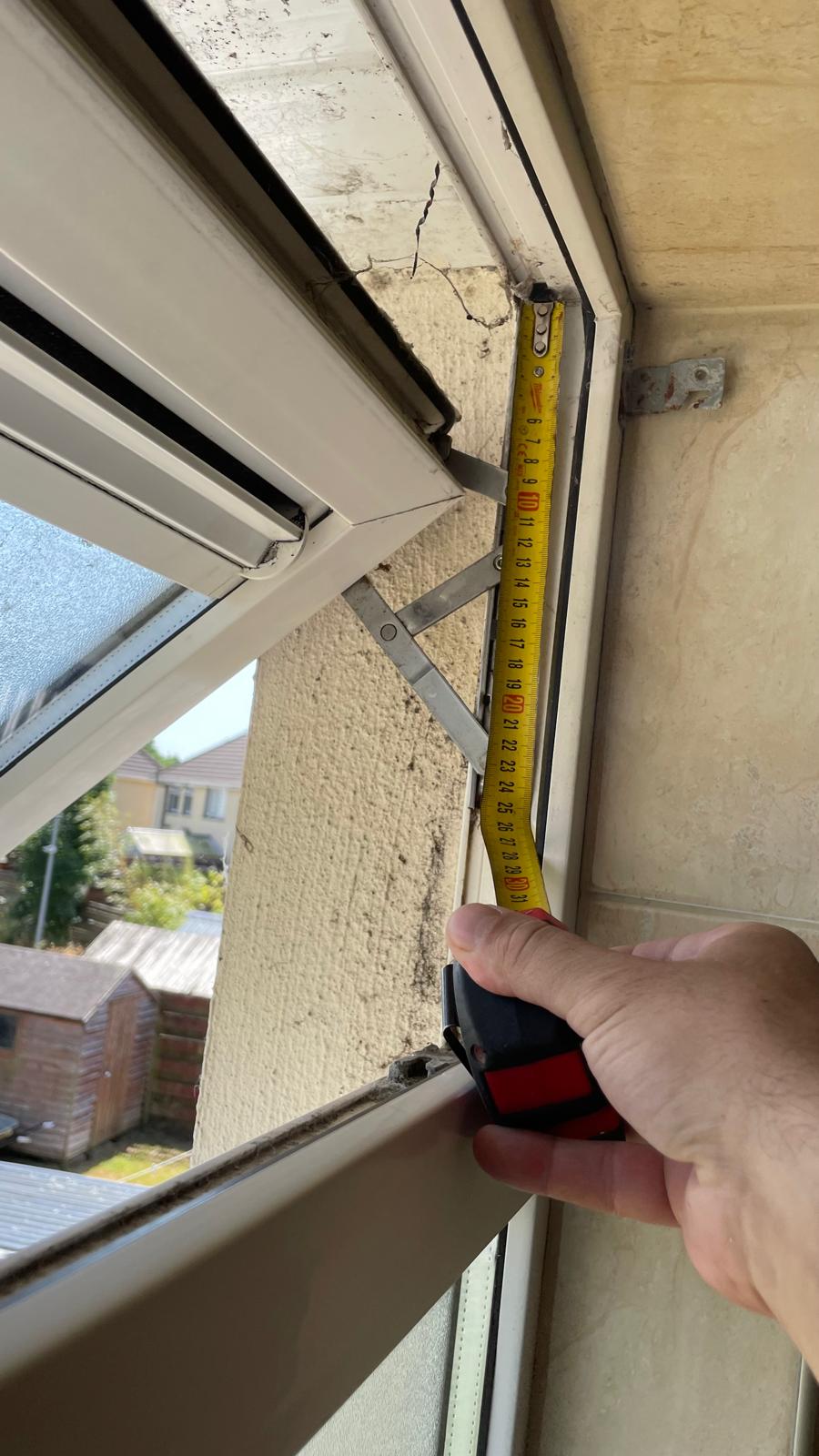
Common Problems with Casement Windows
Casement windows rely on a combination of hinges, friction stays and a handle-operated mechanism to open, close and lock securely. Because these parts work together, wear or damage in one area often affects how the whole window operates. Common issues include:
- The window is difficult to open or feels stiff.
- It won’t close fully or leaves a gap around the frame.
- Hinges are worn, loose or broken.
- Friction stays are bent, cracked or no longer holding the window in place.
- The window sash sags or rubs against the frame.
- The handle turns but the opening mechanism doesn’t move.
- Draughts or cold air come in around the edges of the window.
- The opening arm is damaged or has come away from its fixing.
Some of these problems are minor and can be improved with a simple adjustment or hardware replacement. Others point to a more serious mechanical fault that’s best assessed by someone experienced with casement window repair.
Window Not Opening or Closing Properly
When a casement window becomes difficult to open or close, the cause is often a build-up of dirt or paint in the hinge and mechanism, a slightly misaligned sash, or general wear in the moving parts. In many cases, cleaning and lubricating the hinges and mechanism can restore smooth movement. If the window still won’t close fully after this, the sash may be misaligned or the mechanism itself may be worn and no longer able to draw the window shut properly.
A window that won’t close completely isn’t just an inconvenience. It can affect the security of the property and let in draughts, so it’s worth addressing sooner rather than later.
Worn or Broken Window Hinges
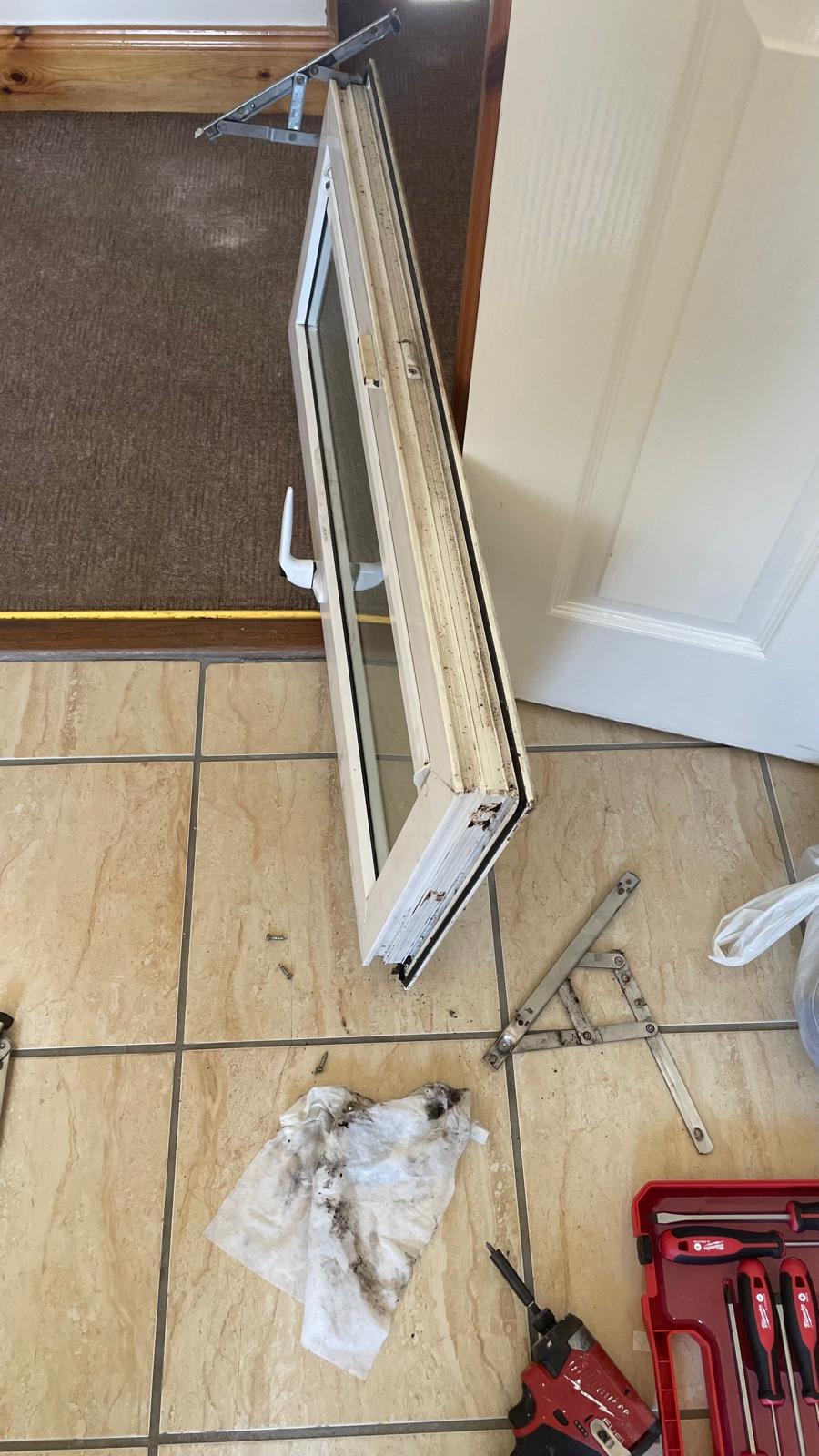
Hinges take the full weight of the window sash every time it opens and closes, so it’s no surprise they’re one of the most common points of failure. Worn or broken hinges can cause the window to sag, stick, or no longer sit flush in the frame. In some cases a hinge repair is possible, particularly if only one hinge is affected and the frame itself is in good condition. Where hinges are badly corroded, cracked, or the fixing points have failed, replacement is usually the more reliable option.
Damaged Friction Stays and Opening Mechanisms
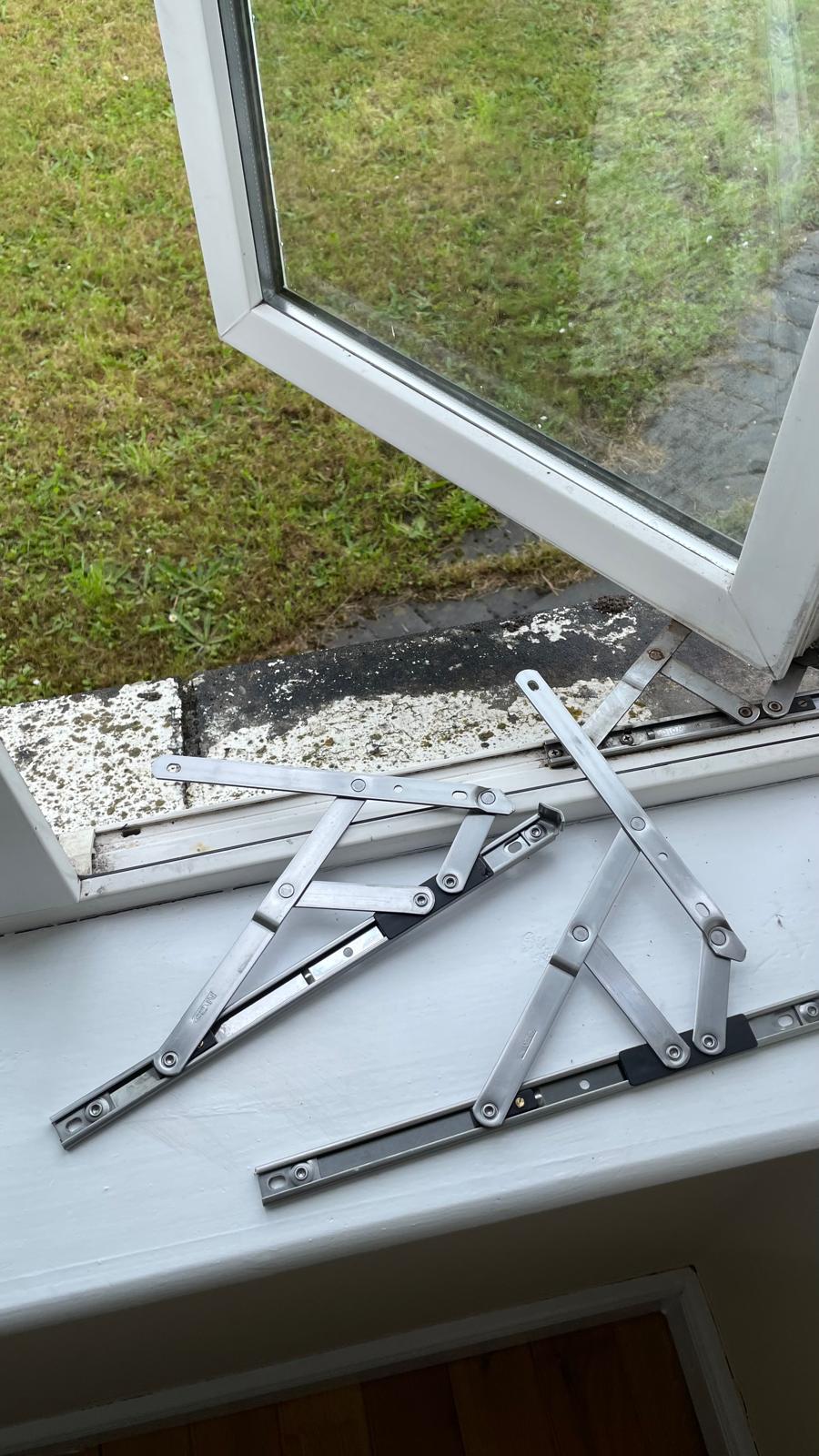
Friction stays are the arms that hold a casement window open at a chosen angle and keep it steady in windy conditions. When a friction stay is bent, cracked or has lost its tension, the window may not stay open, may rattle in the wind, or may feel loose even when closed. A damaged opening arm can have a similar effect, particularly if it has come away from its fixing point on the frame or sash.
This is one area where a handle that turns normally can be misleading. If the handle moves freely but the sash doesn’t respond, the fault is often in the friction stay or opening arm rather than the handle itself. Because these mechanisms are directly linked to how securely the window closes, a window mechanism repair is often more involved than a simple hardware swap and benefits from an experienced eye.
Draughts and Poor Window Sealing
Draughts around a casement window are usually a sign that the sash isn’t closing tightly against the frame. This can be caused by worn weatherstripping, a misaligned sash, or a mechanism that no longer pulls the window fully shut. Replacing worn seals can resolve minor draughts, but if the window itself isn’t closing properly, sealing alone won’t fix the underlying issue. In these cases, it’s worth checking the hinges, friction stays and mechanism before assuming the seal is the only problem. For general guidance on keeping a home draught-free and energy efficient, SEAI’s home energy upgrade guidance is a useful resource for homeowners.
Casement Window Repair: When Can It Solve the Problem?
In many cases, casement window repair can resolve the issue rather than requiring a full window replacement. Loose hinges, worn friction stays, damaged handles and general stiffness can often be fixed with adjustment, cleaning or replacement of the affected hardware, much like a targeted lock repair restores a door mechanism without replacing the whole unit. Repair is generally a sensible option when the frame and sash are in good structural condition and the fault is limited to the hardware or mechanism.
Replacement becomes more likely when the frame itself is warped, rotten or significantly damaged, or when the mechanism has failed beyond what hardware replacement can resolve. A professional assessment can clarify which category your window falls into before any work begins.
When Should You Call a Professional?
While some casement window problems are minor and can be improved with basic maintenance, others need a casement window repair that’s best handled by someone familiar with how these systems work. It’s worth getting in touch for a professional assessment when:
- The window won’t open, close or lock securely.
- Hinges or friction stays are visibly broken or have come away from the frame.
- The handle turns but the sash doesn’t move.
- You’re not confident diagnosing whether the issue is the hardware, the mechanism or the frame.
- The window’s security is a concern, particularly on ground floor or easily accessible windows.
AutoKeyMaster provides professional locksmith and window mechanism assistance across Carlow and surrounding areas.
Frequently Asked Questions
Why won’t my casement window close properly?
This is often caused by a misaligned sash, worn hinges, or a mechanism that no longer draws the window fully shut. A professional inspection can identify the exact cause.
Can broken window hinges be repaired?
In some cases, yes. If only one hinge is affected and the frame is otherwise sound, a hinge repair or replacement may be possible without replacing the whole window.
Why does my window handle turn but the window doesn’t open?
This usually points to a fault in the opening mechanism, friction stay or opening arm rather than the handle itself, and typically needs a closer inspection.
Is a draughty casement window always a sealing problem?
Not always. Draughts can also result from a sash that isn’t closing tightly due to worn hinges or a mechanism fault, so it’s worth checking these before replacing seals alone.
Does AutoKeyMaster repair casement window mechanisms outside Carlow?
AutoKeyMaster’s confirmed service areas include Carlow, Kilkenny, Portlaoise, Tullow, Athy, Newbridge, Kildare, Leighlinbridge, and Borris. For more homeowner guidance, browse our locksmith advice articles.
Frequently Asked Questions
Why won't my casement window close properly?
This is often caused by a misaligned sash, worn hinges, or a mechanism that no longer draws the window fully shut. A professional inspection can identify the exact cause.
Can broken window hinges be repaired?
In some cases, yes. If only one hinge is affected and the frame is otherwise sound, a hinge repair or replacement may be possible without replacing the whole window.
Why does my window handle turn but the window doesn't open?
This usually points to a fault in the opening mechanism, friction stay or opening arm rather than the handle itself, and typically needs a closer inspection.
Is a draughty casement window always a sealing problem?
Not always. Draughts can also result from a sash that isn't closing tightly due to worn hinges or a mechanism fault, so it's worth checking these before replacing seals alone.
Does AutoKeyMaster repair casement window mechanisms outside Carlow?
AutoKeyMaster's confirmed service areas include Carlow, Kilkenny, Portlaoise, Tullow, Athy, Newbridge, Kildare, Leighlinbridge, and Borris.