
Mortice Lock Turns but Won’t Open: Causes and Professional Repair
It’s a confusing and sometimes frightening situation: the key works, it goes into the lock, and it turns, but the door still won’t open. When a mortice lock turns but won’t open, it can affect people on both sides of the door at once, leaving those inside unable to leave and those outside unable to get in. This guide explains why this happens, why it’s often linked to how the lock was originally installed, and when it’s time to call a professional rather than keep trying the key.
Why Does a Mortice Lock Turn but Won’t Open?
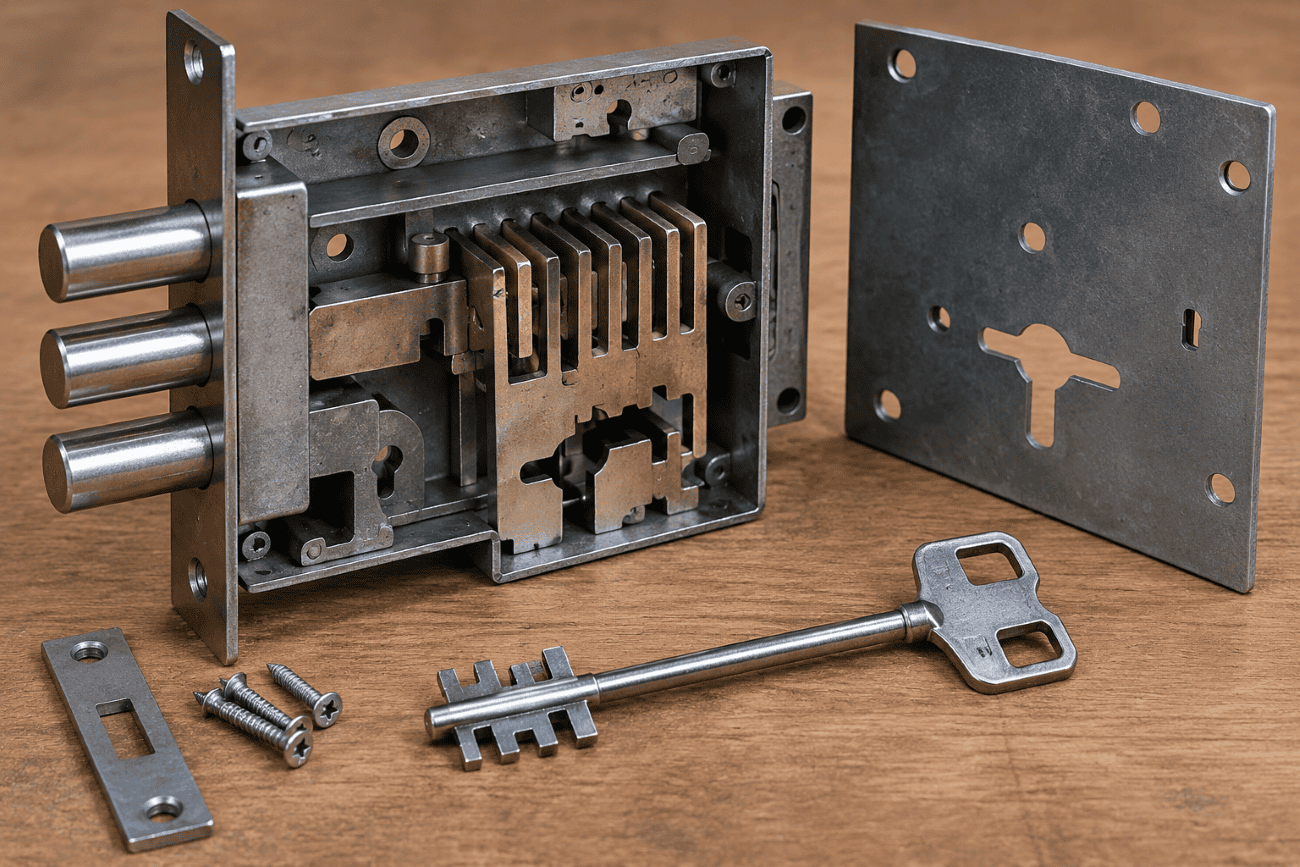
In a healthy mortice lock, turning the key moves an internal mechanism that in turn drives the bolts in and out of the door frame. When a mortice lock turns but won’t open, that connection between the key and the bolts has broken down somewhere inside the lock case. The key itself may still feel fine, or it may turn unusually easily, but the movement is no longer being translated into the door actually locking or unlocking. This is a mechanical fault inside the lock rather than a problem with the key, and it isn’t something that can be diagnosed accurately without opening up the lock case.
Incorrect Installation Can Cause Long-Term Damage
A mortice lock needs to be fitted correctly and aligned properly with the door and frame for it to work as intended. When a lock has been installed with the bolts under constant pressure, or the keep and door aren’t quite lined up, the mechanism is forced to work harder every single time it’s used. If locking or unlocking the door has always required noticeably more effort than it should, that isn’t normal operation, it’s a sign of resistance that shouldn’t be there in the first place. Over time, that repeated friction and load can gradually wear down or damage the internal components. A lock that has always been difficult to turn should not simply be forced harder, it should be inspected.
Signs of a Developing Mortice Lock Problem
A mortice lock rarely fails without any warning at all. Common signs that a problem may be developing include:
- The key gradually becoming heavier or stiffer to turn.
- Needing to apply more effort each time to lock or unlock the door.
- Having to push or pull the door while turning the key to get it to catch.
- The lock behaving inconsistently, working fine one day and poorly the next.
- An unusual feel or sound when the key turns, different from how it used to feel.
- The key turning normally but the door occasionally failing to open.
Not every one of these signs points to the same underlying fault, but noticing more than one together is a reasonable signal that the lock is worth having looked at before it fails completely.
When a Mortice Lock Turns but Won’t Open Suddenly
Sometimes the change isn’t gradual at all. The key can suddenly start turning unusually freely, almost as if it’s spinning without engaging anything, and the door simply doesn’t respond the way it should. This is one of the clearest examples of a mortice lock turns but won’t open scenario, and it usually points to an internal mechanical failure rather than anything to do with the key itself. When this happens, it’s a sign the lock needs professional diagnosis rather than repeated attempts to force it.
Why Forcing the Key Can Make the Problem Worse
It can be tempting to keep trying the key, wiggling it, or pushing the door harder while turning, especially if you’re in a hurry or someone is waiting on the other side. This is understandable, but repeatedly forcing a key that’s already struggling can turn a repairable fault into more significant internal damage. It’s especially important to stop and call for help if the way the lock behaves has changed suddenly, rather than continuing to apply pressure in the hope that it will eventually catch. Persisting with force is one of the more common ways a manageable lock problem becomes a more difficult and costly one.
Can a Faulty Mortice Lock Be Repaired?
Whether a mortice lock can be repaired depends on a combination of factors: the condition of the internal mechanism, how much damage has already occurred, the age of the lock, whether suitable replacement parts are still available, and the general condition of the door and its installation. A locksmith should assess whether professional lock repair is realistic before assuming the lock has to be replaced outright. In many cases, especially where the fault is caught early, repair is a genuinely viable option.
When Lock Replacement Is the Better Option
When the internal mechanism has suffered significant damage, or the lock can no longer be relied upon to work consistently, continuing to use it becomes a security and convenience risk. In these situations, lock replacement is usually the more sensible long-term option rather than attempting to repeatedly patch up a lock that has already failed once.

What to Do If People Are Locked Inside or Outside
This situation is different from a lost key problem, since the keys are with the occupants and still work, but the door won’t respond correctly from one or both sides. If this happens, avoid repeatedly forcing the key or the door, since this rarely resolves the fault and can make it worse. If the door can’t be opened safely and someone is stuck inside or locked out, contacting an emergency locksmith service is the appropriate next step. You can also contact AutoKeyMaster to discuss the situation and arrange an assessment.
Mortice Lock Repair in Carlow and Surrounding Areas
AutoKeyMaster is a mobile locksmith service based in Carlow, providing mortice lock diagnosis and repair for homeowners in Carlow and surrounding areas, including Kilkenny, Portlaoise, Athy and Tullow. Whether a mortice lock turns but won’t open or has developed a more gradual fault, help is available across the region.
Preventing Future Mortice Lock Problems
A few sensible habits can help avoid a repeat of this kind of problem. Don’t ignore constant resistance when locking or unlocking a door, and don’t accept it as normal that a key needs to be forced or pushed hard to work. Keep an eye on how the door sits in its frame, and address any alignment issues promptly rather than letting them persist. If you notice any of the early warning signs described above, it’s worth contacting a locksmith before the lock fails completely rather than after.
Frequently Asked Questions
Why does my key turn but the door won’t open?
This usually means the connection between the key mechanism and the bolts has failed inside the lock case, often linked to installation issues or long-term wear rather than a fault with the key.
Can a mortice lock fail suddenly?
Yes. While many faults develop gradually, a lock can also fail suddenly, with the key turning unusually freely without the door responding.
Should I keep forcing a stiff key?
No. Continuing to force a stiff or unresponsive key can turn a repairable fault into more serious internal damage, so it’s best to stop and get the lock assessed.
Can a locksmith repair a faulty mortice lock?
In many cases, yes. A locksmith can assess the mechanism and advise whether repair is realistic or whether replacement is the safer long-term option.
When choosing who to call, it’s worth checking that a locksmith holds a valid licence from the Private Security Authority, and for related reading, see our guide on a key that won’t turn in the lock or browse more locksmith advice.
Frequently Asked Questions
Why does my key turn but the door won't open?
This usually means the connection between the key mechanism and the bolts has failed inside the lock case, often linked to installation issues or long-term wear rather than a fault with the key.
Can a mortice lock fail suddenly?
Yes. While many faults develop gradually, a lock can also fail suddenly, with the key turning unusually freely without the door responding.
Should I keep forcing a stiff key?
No. Continuing to force a stiff or unresponsive key can turn a repairable fault into more serious internal damage, so it's best to stop and get the lock assessed.
Can a locksmith repair a faulty mortice lock?
In many cases, yes. A locksmith can assess the mechanism and advise whether repair is realistic or whether replacement is the safer long-term option.